Practitioner-level depth
We teach what actually ships. Senior engineers and working professionals co-teach because the workflows your child learns in three weeks are the same workflows we run in the work week.
About · Why this exists
Most AI summer programs are still teaching 2018-era machine learning. The agentic AI era is already here in medicine, law, finance, engineering, and entrepreneurship — your child's future profession will run on the same systems we teach in this program.
Mission
We teach what actually ships. Senior engineers and working professionals co-teach because the workflows your child learns in three weeks are the same workflows we run in the work week.
We stay with families past program end — through application season, into first internships, and into first full-time roles. That continuity is the difference between a summer experience and a long-term advantage.
Every capstone solves a real problem for the student's own community. A project that genuinely helps people reads to admissions readers very differently from one that does not.
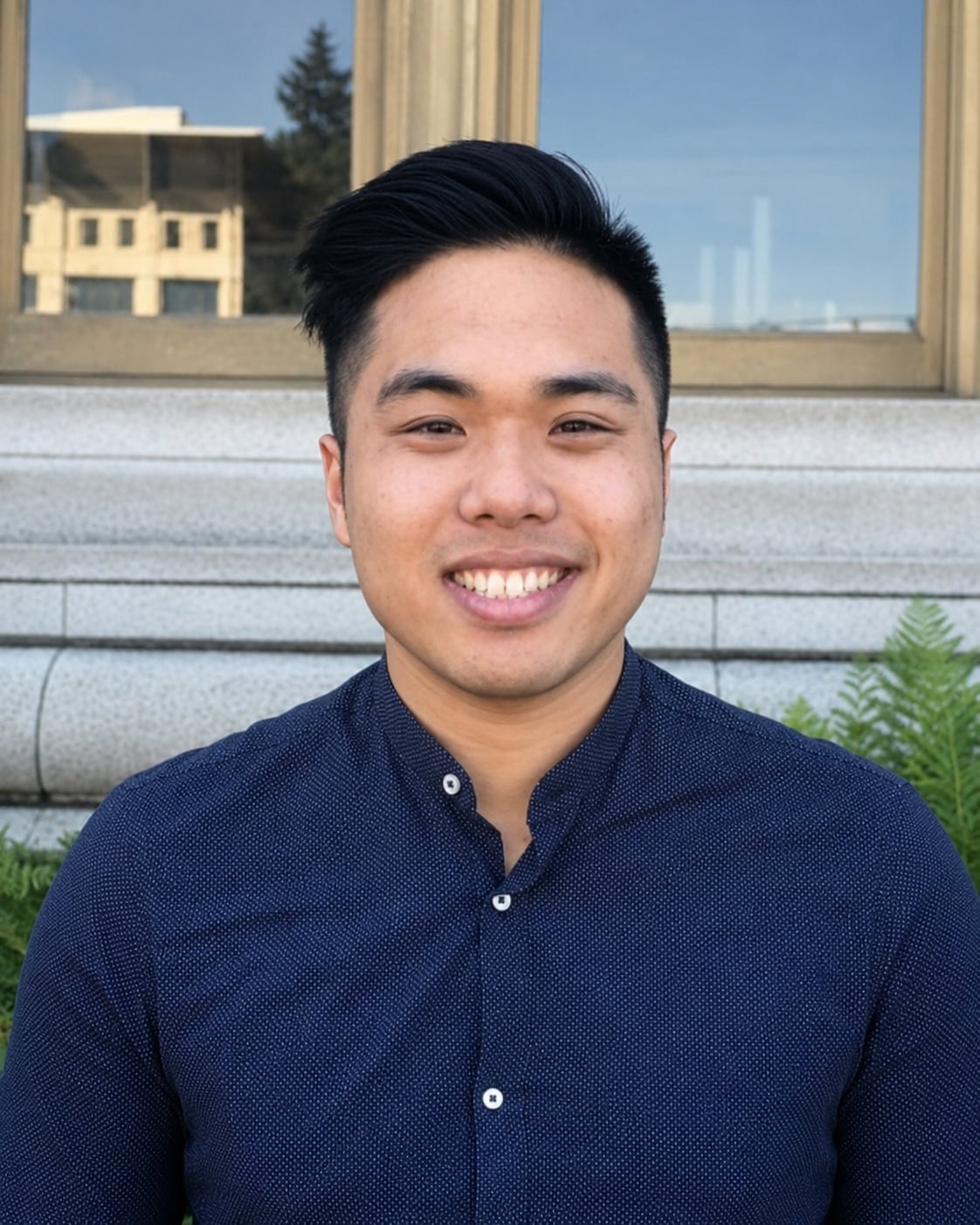
Founded by Jinwoong “Peter” Lee
UC Berkeley ’18 · 8 years of software at Amazon & Ring · 11 years running a private education practice · 80+ students placed at top universities
Read the full faculty bioWhy now
Clinicians use AI to draft notes, surface red-flag findings, and triage patient intake. Attorneys use AI to redline contracts and surface non-standard clauses. Analysts use AI to ingest 10-Ks and surface management framing changes. Engineers use AI to reason about CAD revisions and tolerance stack-ups. Founders use AI to run customer-discovery interviews end-to-end.
These are not science-fiction scenarios. They are the workflows that practicing professionals are already adopting. The question is not whether your child will work alongside AI — it is whether your child will be the one who can build the systems, evaluate the outputs, and make the judgment calls that AI cannot.
We are not training your child to use AI tools. We are training your child to build them, ship them, and reason about their limits — the way the next generation of doctors, lawyers, founders, engineers, and analysts will be expected to.
Selective by design
The Summer Institute is planned for 2028 and is not enrolling; no application is being accepted yet. What is running now is founder-led college readiness coaching, and a consult is where every family starts.
“We do not yet have AI College Prep alumni data — by intent, not omission.”
— Jinwoong “Peter” Lee, founder. No guarantees, no implied admit promises — outcomes get published here when they are real.